
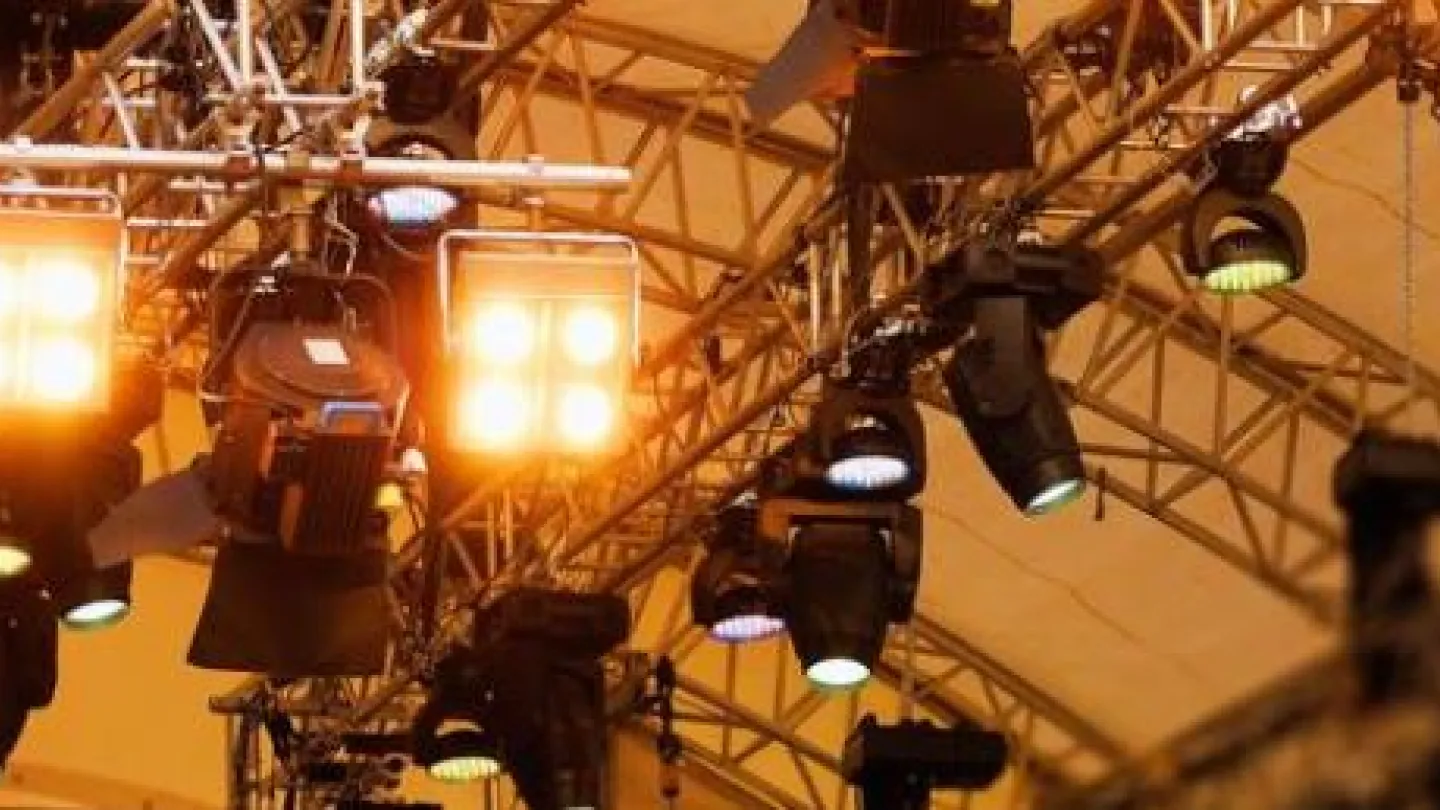
There has been a lot of debate recently about the future
of both tungsten and arc-source lighting, particularly with so many designers,
venues, technicians etc actively making the move over to LED sources. So what
does the future hold for these older fixtures and when do you need to start
thinking about investing in LED? Lighting Designer Rob Halliday has very kindly
written a few impartial words about his thoughts on the future of tungsten and
why it’s better to upgrade sooner rather than later.
“The work done by the entertainment lighting industry over the last couple of years has led to an exemption for most (but not all) tungsten light sources used by our industry being written into the EU’s updated EcoDesign regulations, which will come into force next year. Even though the UK is now outside the EU, the expectation is that it will continue to follow EU regulations for the most part at least for the next few years. That said, there are some lamps which have not received an exemption, particularly tungsten M16 lamps. These are already becoming hard to find in the market. This is a problem for ‘Birdie’ type fixtures or battens using these lamps (L&E battens or similar products), though LED replacements are available for both. It is a particular problem for theatres, often smaller venues, that use M16 lamps as their houselights; such venues will need to start investigating alternatives as soon as possible.
Regardless of regulation, there is a growing trend of light bulb manufacturers moving out of the production of tungsten lamps. The end result is that it will become harder, over the next few years, to buy tungsten lamps, particularly older or more niche models required by older lighting fixtures. The HPL lamp used by the Source Four family will doubtless continue to be available because of the volume of fixtures in circulation that use it i.e. there is demand for it. In fact, lamp manufacturer Ushio has recently announced a long-term commitment to producing the HPL. On the other hand, we believe that no-one is now making a 110V Par64 lamp. So if your rig is largely tungsten-based, particularly if it uses older fixtures that require quite ‘specialist’ tungsten lamps, now would be a good time to consider upgrading – think of the exemptions in the EU regulations as giving you time to do this, rather than a reason not to do this.
LED fixtures do tend to be more expensive than tungsten to buy, particularly if you’re looking for fixtures of a reasonable quality. What I mean by this is a good light output (not just bright, but good quality – if you point the light at your skin, does it make your skin feel ‘natural’), good quality fading (no ‘steppiness’ over slow fades, the final moment of the fade from on to off subtle rather than abrupt), and well-made and so likely to last – particularly the control electronics. Despite the initial cost, they will pay you back over the long term with lower running costs (low power consumption, no need to buy gel for colour-mixing fixtures, no light bulbs to replace) and, with colour-mixing fixtures, greater versatility – you can achieve any colour you like at the touch of a button! (remove Similarly). Products are now becoming available which allow some existing fixtures to take on a new life as LED fixtures such as the S4WRD replacement back-end ETC have brought out for the Source Four.
When factoring in the cost of upgrading, keep in mind that this will be about more than just buying new lights. LED fixtures generally don’t run through dimmers – they need ‘always on’ power as opposed to DMX control, which is quite different from a traditional rig. You’ll also want a control console that understands LED lights and how you mix colour with them. The best systems calibrate the colour coming out of the light back to the console i.e. you can pick a colour on the console and that colour will come out of the light (and all of the lights of that type are calibrated to match each other – which is not always true of cheaper LED lighting fixtures). These systems tend to be more expensive, but the payback is that they’re quicker and easier to deal with when making a show.
It is clear that lighting designers given a free choice (e.g. those specifying rigs to rent for new shows), are now embracing LED because of the benefits it brings to their ability to realise their lighting vision. A study last year looking at shows of a similar style (musicals) and scale (in the same theatre) over the last 20 years shows this clearly. According to that graph, LEDs have already overtaken both tungsten and arc sources (the graph shows a ‘bounce’ for tungsten on its right hand side; this was actually down to equipment availability and budget rather than necessarily the LD’s choice…). If this is anything to go by, it shows that the future is here already! So much so that new theatres are now in planning where there will be no dimmers…
To summarise, the future of lighting will be quite different from the tungsten- and arc-based past. Tungsten is likely to become the ‘special’ look reserved for special moments and standing out from the LED rig used for general lighting, in the same way that an arc source used to be the ‘special’ look that stood out from the mass of tungsten. The idea of changing an existing rig to this new technology can be daunting. But you do need to start planning for this, and figuring out how you’ll afford the necessary investment. What can help, if you’re able to, is figuring out how the long-term savings will off-set the short-term costs – while also being aware that by using less power (particularly when replacing ‘always on’ arc lamps with LED sources, particularly in moving lights – is a good thing to do generally as part of reducing our impact on our environment.”